Interest in Saffron Extract for Brain Health is growing as researchers examine mood, memory, and age-related cognitive changes. The spice comes from Crocus sativus, whose vivid red stigmas contain compounds such as crocin and safranal. These compounds may influence oxidative stress, inflammation, and neurotransmitter activity. The evidence is encouraging, but it is not conclusive.
Professor Shahin Akhondzadeh, a clinical researcher at Tehran University of Medical Sciences, has described saffron as “a promising treatment for mild-to-moderate depression.” His work helped bring saffron into serious clinical discussion. However, depression research is not identical to dementia prevention or sharper everyday memory. That distinction matters.
A 2026 review should examine human trials, not impressive laboratory claims alone. Some studies report modest improvements in mood or cognitive testing. Others are small, short, or funded by supplement companies. Results can also vary with extract quality, crocin content, dose, and testing methods. One capsule is not another capsule.
Look for standardized products, transparent laboratory testing, and clearly reported safety data. Possible concerns include dizziness, digestive discomfort, allergic reactions, and interactions with medications affecting mood, blood pressure, or blood clotting. Pregnant individuals and people with medical conditions need professional advice before supplementation.
The honest question is not whether saffron is magical. It is whether a specific extract offers a meaningful benefit for a specific person. This article explores the strongest evidence, practical product differences, and the gaps that responsible readers should not ignore. Research remains promising, but certainty is still developing.
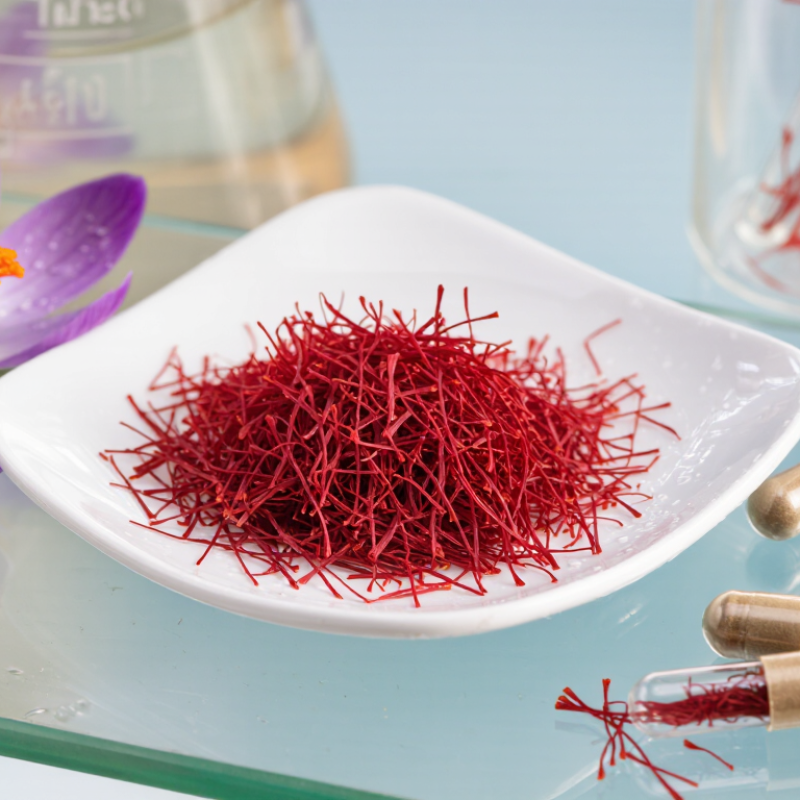
Defining “Top” Saffron Extract for Brain Health in 2026
Defining the “top” saffron extract for brain health in 2026 requires more than choosing the highest milligram number. A strong option should identify the saffron plant source, extraction method, and key compounds. Standardization matters because natural saffron can vary between harvests. Look for independent testing for identity, purity, heavy metals, microbes, and unwanted adulterants. Clear evidence beats attractive packaging.
Human research should guide expectations. Some controlled studies suggest saffron may support mood, stress response, sleep quality, and certain aspects of cognitive function. The effects are not guaranteed. They may also depend on dose, extract composition, health status, and study length. “Natural” does not mean risk-free. Possible concerns include digestive discomfort, dizziness, allergy, or interactions with medicines. People who are pregnant, managing a medical condition, or taking prescription drugs should seek qualified medical advice.
A practical review also considers transparency. Can the manufacturer explain its testing and provide a current certificate of analysis? Is the serving size clear? Are brain-health claims carefully worded rather than dramatic? I would favor modest claims and repeatable quality over promises of sharper memory overnight. That is a less exciting standard. It is also more honest. The best extract may be the one supported by credible human evidence, reliable testing, and a formulation suitable for the individual. Curious buyers should still compare the evidence, not just the label.
Key Compounds: Crocin, Crocetin, Safranal, and Picrocrocin
2026 Top Saffron Extract for Brain Health Benefits?
Saffron’s key compounds deserve separate attention. Crocin is a water-soluble carotenoid glycoside linked to antioxidant activity. Crocetin is its smaller aglycone and may support neuronal signaling in laboratory models. Safranal provides saffron’s distinctive aroma. It also shows possible effects on oxidative stress and mood pathways. Picrocrocin creates saffron’s bitter taste and helps confirm extract identity. The chemistry is elegant, but biology is less tidy.
Small randomized trials have often tested about 30 mg daily for 12–22 weeks. Some reported improvements in memory or mood, yet sample sizes remained modest. The Alzheimer’s Association 2024 Facts and Figures report estimates 6.9 million Americans aged 65 and older live with Alzheimer’s disease. That figure may reach 13.8 million by 2060. Saffron cannot be presented as a treatment for this growing burden. Evidence remains preliminary.
Quality matters at the kitchen-counter level. ISO 3632 testing can evaluate crocin, picrocrocin, safranal, and color strength. HPLC testing is more informative than a bright label or strong aroma. Grand View Research’s 2024 saffron market analysis estimated the global market at roughly USD 1.3 billion in 2023, with continued growth projected. Commercial interest is not proof of cognitive benefit. I would also question studies using mixed extracts, because compound ratios can change results. More independent, longer trials are still needed.
2026 Top Saffron Extract for Brain Health Benefits? - Key Compounds: Crocin, Crocetin, Safranal, and Picrocrocin
| Compound |
Chemical Profile |
Potential Brain-Health Relevance |
Evidence Type |
Human Evidence Status |
Quality-Control Indicator |
| Crocin |
Water-soluble carotenoid glycosides responsible for much of saffron’s red color. |
Preclinical research indicates antioxidant, anti-inflammatory, and possible protection against oxidative neuronal stress. |
Cell, animal, and limited human research involving saffron preparations. |
Promising but not conclusive; direct clinical evidence for isolated crocin remains limited. |
Should be identified and quantified by HPLC or a comparable validated analytical method. |
| Crocetin |
The carotenoid aglycone related to crocin; more lipophilic than crocin. |
Investigated for antioxidant, anti-inflammatory, and neuroprotective effects in experimental models; its physicochemical properties may support tissue distribution. |
Primarily preclinical pharmacology and bioavailability research. |
Insufficient for a definitive clinical claim; isolated-compound human data are limited. |
A credible specification should distinguish crocetin-related compounds from total carotenoid content. |
| Safranal |
A volatile monoterpene aldehyde that contributes strongly to saffron’s characteristic aroma. |
Animal and laboratory studies suggest possible antioxidant, anti-inflammatory, and neuronal-protective activity. |
Mostly cell and animal studies; some research has examined effects related to mood and stress. |
Early-stage evidence; clinical effects of isolated safranal are not established. |
Best assessed by gas chromatography; excessive heat or poor storage may reduce volatile constituents. |
| Picrocrocin |
A bitter monoterpene glycoside and important precursor of safranal during drying or heating. |
Important for authenticity and sensory quality; direct brain-health mechanisms are less studied than those of crocins and safranal. |
Phytochemical, authenticity, and limited preclinical research. |
Limited direct clinical evidence for cognition or neurological outcomes. |
Should be measured together with crocins and safranal to support botanical identity and freshness. |
Evidence-Oriented Extract Evaluation
| Assessment Dimension |
What a High-Quality Extract Should Show |
Why It Matters |
| Multi-compound standardization |
Reports crocin or total crocins, picrocrocin, and safranal rather than only “saffron powder.” |
Saffron’s composition and biological activity depend on multiple constituents. |
| Analytical verification |
Provides batch testing using validated HPLC, UV-Vis, and/or GC methods, as appropriate. |
Helps confirm identity, potency, and consistency while detecting adulteration. |
| Human-study relevance |
Recognizes that clinical saffron studies have commonly used approximately 28–30 mg per day of standardized preparations for several weeks. |
Study results cannot automatically be generalized to every extract, dose, or isolated compound. |
| Brain-health claim strength |
Uses cautious wording such as “supports mood” or “under investigation,” rather than claiming to prevent or treat dementia. |
Current evidence is encouraging for some mood-related outcomes but remains insufficient for definitive disease-treatment claims. |
| Safety and suitability |
Includes dose guidance, contraindication information, and testing for contaminants and adulterants. |
Saffron supplements may not be appropriate for everyone, particularly at high doses or during pregnancy. |
Scientific note: Saffron extract research is still developing. The strongest practical quality signal is transparent multi-compound standardization supported by independent analytical testing; no single constituent can currently be identified as definitively superior for overall brain health.
Clinical Evidence: Why Trials Commonly Use 30 mg Saffron Daily
2026 Top Saffron Extract for Brain Health Benefits?
Saffron extract has attracted attention for mood, stress, and certain cognitive measures. In clinical research, 30 mg daily appears frequently. This dose often means 15 mg in the morning and 15 mg later. Researchers may select it because it offers measurable exposure without using a large amount of concentrated extract. It also creates a practical routine for participants.
The evidence is promising, but not conclusive. Some controlled trials report improvements in mood, sleep quality, or selected memory tests after several weeks. These results do not prove that saffron prevents dementia or improves every aspect of brain health. Study designs differ. Extract standardization, participant age, health status, and testing methods can change the outcome. A positive result in one trial may not transfer neatly to daily life.
Quality matters more than a glossy label. Look for clear information about extract strength, testing, and the amount of active compounds. Do not assume that more than 30 mg will produce better results. Higher doses may increase unwanted effects, including nausea, dizziness, or headache. People using medicines, managing pregnancy, or living with a medical condition should ask a qualified clinician first. I would also treat “brain-boosting” claims cautiously. The research is interesting, yet still incomplete.
Safety Review: Human Trial Doses, Drug Interactions, and Pregnancy Warnings
Saffron extract is attracting attention for mood, memory, and brain-health research. Small human trials often use standardized extracts around 28–30 mg daily, commonly divided into two doses. These results are interesting, but they do not prove that every supplement improves cognition. Extract strength, trial length, and participant health varied. The evidence still feels incomplete.
Safety deserves equal attention. Saffron may affect blood pressure, blood sugar, or sedation. People taking antidepressants, blood thinners, blood-pressure medicines, diabetes drugs, or sleep aids should seek clinical advice before use. Drug combinations can change bleeding risk or intensify dizziness. Even a “natural” capsule can be pharmacologically active. That point is easy to miss.
Pregnancy requires extra caution. Supplemental saffron doses lack sufficient safety data and may influence uterine activity. Pregnant or breastfeeding individuals should avoid medicinal amounts unless a qualified clinician specifically recommends them. Quality also matters: look for independent testing, clear dosing, and contaminant screening. I would not treat a promising study as a personal prescription. Human evidence is useful, yet still limited.
2026 Top Saffron Extract for Brain Health Benefits?
Safety Review: Human Trial Doses, Drug Interactions, and Pregnancy Warnings
What human trials used: Selected randomized clinical studies of standardized saffron preparations commonly used approximately 30 mg per day in depression and mild-to-moderate Alzheimer’s disease research. One attention-deficit/hyperactivity disorder study used a weight-adjusted range of approximately 20–30 mg per day. These research doses are not treatment recommendations, and benefits for general brain health remain uncertain.
Safety review: Saffron may cause gastrointestinal upset, dizziness, headache, or allergic reactions. Use caution with anticoagulant or antiplatelet medicines, blood-pressure medicines, diabetes medicines, and sedatives because additive effects or interactions are possible. Avoid concentrated saffron supplements during pregnancy unless specifically directed by a qualified clinician; safety data are insufficient and high doses may stimulate uterine activity. Consult a healthcare professional before use, especially when taking prescription medicines or managing a neurological, psychiatric, bleeding, or cardiovascular condition.
Evidence sources: Akhondzadeh et al., Journal of Clinical Pharmacy and Therapeutics (2010); Noorbala et al., British Journal of Psychiatry (2005); Baziar et al., Journal of Child and Adolescent Psychopharmacology (2019). Trial doses varied by preparation and study design.
Conclusion
Choosing the top Saffron Extract for Brain Health in 2026 requires more than comparing product labels or marketing claims. A well-evaluated extract should be characterized by its key compounds—crocin, crocetin, safranal, and picrocrocin—and supported by ISO 3632 testing that helps assess saffron identity, purity, and strength. These standards can provide useful quality information, although they do not guarantee specific health outcomes.
Clinical research commonly examines approximately 30 mg of saffron daily, with studies exploring possible support for mood, memory, attention, and overall cognitive well-being. However, results may vary depending on extract composition, study design, and individual health factors. Safety is equally important: human trials should guide responsible dosing, and users should consider possible interactions with medicines, especially those affecting mood, blood clotting, or blood pressure. Pregnant individuals should avoid saffron supplementation unless specifically advised by a qualified healthcare professional. Consulting a medical provider is recommended before beginning any concentrated extract.