Latest Botanical & Nutraceutical Insights
Discover expert research, clinical evidence, and industry analysis on active botanical ingredients and natural health solutions.
China Best Organic Certified Botanical Extracts Supplier
Table of Contents
- What Defines an Organic Certified Botanical Extract Supplier in China?
- Which Organic Certifications Apply to Botanical Extracts?
- How Are Botanical Extracts Sourced and Produced?
- How Can Buyers Evaluate a Chinese Extract Supplier?
- Where Are Organic Botanical Extracts Commonly Used?
- FAQS
- Conclusion
- Related Posts
Choosing a China Best Organic Certified Botanical Extracts Supplier begins with a simple question: can every claim be checked? Organic Certified Botanical Extracts should come with clear crop origins, current certification documents, and traceable batch records. A supplier’s website may look polished. Paperwork matters more.
Dr. Vandana Shiva, an environmental scholar and advocate of organic agriculture, has said, “The soil is not a thing, it is a living process.” That idea is relevant here. Botanical quality starts in fields, where soil care, harvesting time, and plant identity shape the raw material. It continues through drying, extraction, and storage. Details can be easy to overlook.
For buyers, useful evidence includes the botanical name, plant part, country of origin, extraction method, and batch-specific test results. Ask how the supplier verifies identity and screens for contaminants. Check whether certificates cover the actual facility and product, not merely a related company or ingredient. These checks do not guarantee every shipment will be identical. They do make differences easier to investigate.
Look closely at practical details. Are samples linked to production batches? Are specifications shared before an order? Can staff explain changes in color, aroma, or active-compound ranges without vague promises? A careful supplier should answer plainly and provide records for review. That sounds basic. It is not always.
China offers a broad botanical supply base, but location alone proves little about quality. Buyers should compare documentation, communication, and consistency over time. Even a well-organized supplier may have limitations. The better choice is one that states them openly and supports its claims with verifiable evidence.
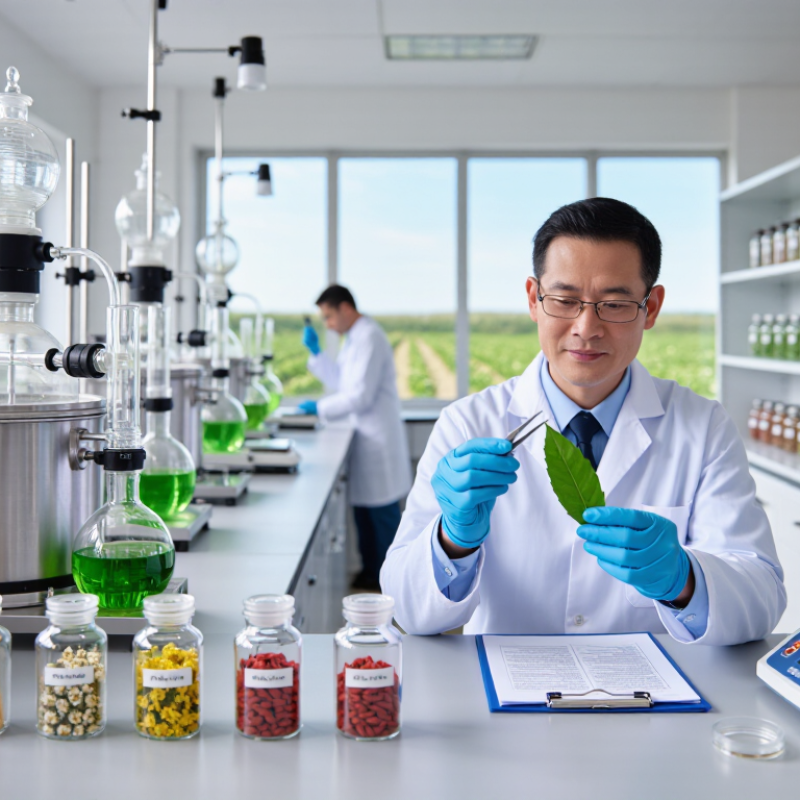
What Defines an Organic Certified Botanical Extract Supplier in China?
A reliable organic certified botanical extract supplier in China should make its certification easy to verify. Check the certificate’s validity, issuing body, product scope, and processing site. A general company certificate may not cover every extract. Ask whether the specific botanical and process appear within the certified scope.
Traceability matters just as much. Each batch should connect the botanical name, plant part, growing origin, harvest or intake records, and extraction details. Ask for a batch-specific certificate of analysis, including identity and relevant contaminant tests. For extracts, clarify the solvent used and request residue data where appropriate. Details matter.
Look for clear answers, not polished claims. A competent supplier can explain how it separates organic materials, cleans equipment, and handles changes between batches. The paperwork may look complete, yet a missing link can still complicate an audit. I would ask for one recent batch record and follow it back to its raw material source. No checklist removes every uncertainty. Small gaps deserve questions, not assumptions.
What Defines an Organic Certified Botanical Extract Supplier in China?
A practical buyer checklist: the bars show the number of evidence types suggested for review in each area. This is a due-diligence guide, not a market survey or a statement of fixed certification requirements.
Review the certificate and its product scope, traceability records, processing controls, and product test documentation. Verify certificate validity and applicability with the relevant certification body.
Which Organic Certifications Apply to Botanical Extracts?
Organic certification for a botanical extract depends on where it will be sold and how it will be used. In the United States, eligible agricultural ingredients may be certified under the USDA National Organic Program. Products for the European Union must meet its organic rules, while Canada and Japan have their own systems. These programs differ in scope and labeling requirements. A certificate for a farm does not automatically certify its extract.
Ask for a current certificate that names the product, processing site, and applicable standard. Then check the ingredient list and traceability records. A lot number should connect the dried herb to the extraction batch and finished drum. Processing methods matter, too. The certifier may review extraction solvents, carriers, cleaning procedures, and the handling of non-organic materials. Paperwork matters. So does the actual process.
For cosmetic ingredients, private standards such as COSMOS may be relevant, but they are not interchangeable with food organic regulations. Confirm that the standard fits the product’s intended use and target market. Requirements can change, and a supplier’s general organic claim may not cover every extract. I would verify the exact product and certificate scope before approving a label; this step can feel repetitive, but it catches gaps that a polished certificate alone may hide.
How Are Botanical Extracts Sourced and Produced?
Botanical extracts begin in the field, not at the extraction vessel. Suppliers identify the plant species, growing region, plant part, and harvest season before purchasing raw material. Leaves may be cut after morning dew has dried; roots are often cleaned and dried soon after harvest. Small details matter. Soil and weather can shift a plant’s aroma, color, and marker-compound levels from one lot to another. Organic certification records help verify eligible farms and handling practices, but paperwork alone cannot describe every growing condition.
At receipt, trained staff inspect identity, moisture, foreign matter, and storage condition. Representative samples may be tested using microscopy, chromatography, or other validated methods, depending on the botanical and intended specification. Material is then cut or milled and extracted with a suitable food-grade solvent, such as water or ethanol, under controlled time and temperature. The liquid is filtered, concentrated, and dried when a powder is required. Records matter. Each batch should retain traceable links to its source and processing steps. Finished extracts are checked against agreed quality criteria, including identity and selected marker compounds. Not every plant behaves consistently, and extraction can alter delicate constituents. Suppliers should document these limits, investigate outliers, and avoid promising identical results from every harvest.
How Can Buyers Evaluate a Chinese Extract Supplier?
A reliable Chinese botanical extract supplier should make verification practical, not merely promise quality. Ask for the organic certificate and confirm its validity, issuing body, covered facility, and specific product scope. A certificate for one site or ingredient may not cover another. Check.
Request a recent batch certificate of analysis, then compare its results with agreed specifications. Useful details include botanical identity, plant part, extraction solvent, marker compounds, and relevant contaminant tests. Ask which laboratory performed each test and whether methods are documented. Traceability matters too: the supplier should link incoming raw materials to production records and finished batches. Paperwork can look polished. Verify that dates and batch numbers match across documents.
Discuss how the supplier manages harvest variation, storage, and production changes. These details can reveal whether quality controls work beyond a single sample. Request samples from more than one batch when consistency is important, and compare appearance, aroma, and analytical results. No supplier is perfect. Clear answers about deviations and corrective actions are more useful than claims of zero problems. I would also assess response time, packaging protection, and realistic lead times before placing a large order.
Where Are Organic Botanical Extracts Commonly Used?
Organic botanical extracts appear in foods, beverages, supplements, cosmetics, and personal-care products. Their role depends on the plant, extraction method, and intended formulation. In herbal teas, a water-soluble extract may add color or a familiar botanical taste. In a fruit drink, it may contribute a sharper aroma. Small details matter.
Supplement makers may use extracts as measured ingredients in capsules, powders, or liquid blends. Buyers should check the botanical name, plant part, carrier ingredients, and batch documentation. “Organic” describes a production and certification status; it does not guarantee a particular strength or health effect. A clear specification sheet helps teams compare materials. It also helps prevent avoidable surprises.
Cosmetic formulators use botanical extracts in creams, cleansers, and shampoos, often for fragrance, color, or a defined ingredient profile. Compatibility still needs testing. An extract that looks stable in a sample jar may change a finished formula’s scent or appearance over time. That sounds simple. It isn’t always. Careful sourcing and small-scale trials make product decisions more reliable, though no ingredient works equally well in every formula.
FAQS
Check its validity, issuing body, processing site, and product scope. A company-wide certificate may not cover a specific extract.
Match the finished batch number to the raw herb, plant part, growing origin, and production records. Check the links.
Look for botanical identity, marker compounds, and relevant contaminant tests. Confirm that test results match agreed specifications.
The solvent can affect the finished extract and its documentation. Ask what was used and request residue data where relevant.
No. Requirements and labeling rules vary by destination and intended use. Verify the exact product and certificate scope.
Ask how the supplier handles equipment cleaning, organic material separation, storage, and changes between batches. Small details matter.
Compare samples from different batches by appearance, aroma, and analytical results. One sample may not tell the whole story.
Clear records, matching dates, and practical answers about deviations help. I would still ask twice when a document has gaps.
Conclusion
Choosing a reliable supplier of Organic Certified Botanical Extracts in China involves more than comparing prices. Buyers should understand what distinguishes an organic-certified supplier, which certifications apply to the ingredients and production process, and how raw botanicals are cultivated, harvested, processed, and tested. Clear documentation, consistent quality controls, traceable sourcing, and transparent communication can help buyers assess whether a supplier’s practices meet their product requirements.
Botanical extracts serve a wide range of applications, including food and beverages, dietary supplements, cosmetics, and personal care products. Before selecting an extract, buyers should consider its intended use, desired specifications, available certification records, and the supplier’s ability to provide consistent batches. A careful evaluation of sourcing, production, quality assurance, and application suitability can support informed purchasing decisions and more dependable product development.

Blog Tags: