Scientific Research & Articles

Latest Botanical & Nutraceutical Insights

Discover expert research, clinical evidence, and industry analysis on active botanical ingredients and natural health solutions.

0%

Choosing a China-based supplier for Sustained-Release Caffeine Ingredients takes more than comparing prices. Buyers need to understand how each ingredient is made, tested, and intended to perform. A delayed release profile may depend on coating materials, particle size, and processing conditions. Ask suppliers to explain their methods in plain language. Request current specifications, a representative certificate of analysis, and test data that supports the stated release behavior. Details matter.

A reliable supplier should also communicate clearly about batch consistency, packaging, storage conditions, and product stability. For example, ask how a sealed sample is protected from moisture during shipping and what happens if a batch falls outside agreed specifications. Review the supplier’s quality documentation, but confirm what each document actually covers. Paperwork helps. It is not proof by itself. Release tests can vary, so compare methods before treating results as equivalent. Regulatory requirements also differ by destination and intended use; buyers should verify them with qualified specialists. No supplier is perfect, and a careful review may still leave unanswered questions. That is a reason to request clarification, not to assume performance. This guide outlines practical criteria for evaluating Chinese manufacturers and trading companies, from technical evidence to communication and supply continuity. The best choice is the one whose claims can be checked and whose product fits your application.
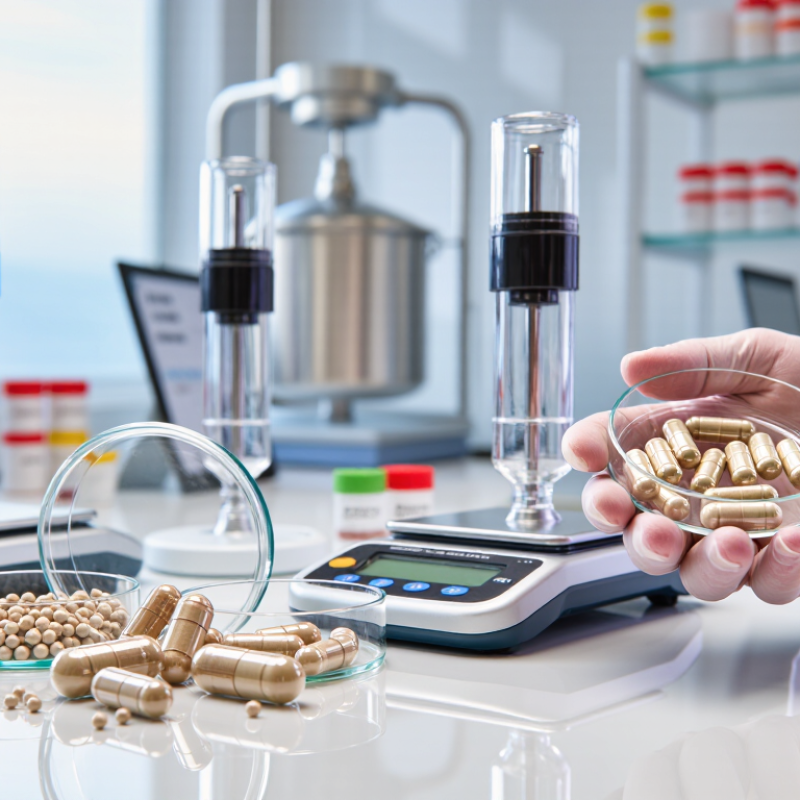
China Best Sustained Release Caffeine Ingredients Supplier?

What Sustained-Release Caffeine Is and How It Works

Sustained-release caffeine is designed to leave an ingredient matrix gradually rather than becoming available all at once. The matrix may use coatings, encapsulation, or other food-grade delivery methods. In a drink or supplement, this can change how quickly caffeine is released during digestion. The goal is a steadier delivery pattern. That matters.

This does not guarantee a smooth feeling or a fixed number of energized hours. Release depends on the specific formulation, serving size, food, and individual physiology. The term can sound more precise than it is: “sustained release” alone does not explain how an ingredient performs. Reliable evaluation calls for formulation details and suitable testing, not just a label claim. Some people may still notice a rapid effect.

Tips: Check the caffeine amount per serving and any available release data. Consider your total daily intake, including coffee and tea. If caffeine affects your sleep or health, seek advice from a qualified healthcare professional.

What Sustained-Release Caffeine Is and How It Works

Sustained-release caffeine is formulated to release caffeine gradually rather than all at once. The chart shows general reported timing ranges for oral caffeine—not measured results for a specific sustained-release product. Release profiles vary by formulation.

Typical ranges: effects may begin around 15–45 minutes after intake; blood concentrations commonly peak around 30–120 minutes; caffeine’s elimination half-life is about 3–7 hours. Individual results vary.

Common Forms and Applications of Sustained-Release Caffeine

Sustained-release caffeine ingredients commonly come as coated granules, microencapsulated powders, or caffeine blended into a controlled-release matrix. Coatings slow how quickly the ingredient dissolves, while particle size and coating thickness can affect its release profile. The exact timing varies by formulation and testing conditions. It should not be assumed from the ingredient name alone. Small details matter.

These ingredients are used in capsules, tablets, nutrition powders, and some formulated beverages. Capsules and tablets can accommodate coated particles with relatively little processing. Powders need careful mixing to prevent uneven caffeine distribution. In drinks, particle settling, texture, and heat stability can complicate formulation; not every sustained-release powder disperses cleanly. That is easy to overlook.

For product developers, practical checks include caffeine assay, particle-size consistency, stability data, and dissolution results under stated test conditions. Ask suppliers how the release profile was measured, and whether it was assessed in the finished format. A laboratory profile cannot predict every person’s experience. Individual responses vary, and “sustained release” does not mean caffeine exposure is uniform or risk-free. Some formulations also trade faster availability for longer release, and that balance deserves careful review.

Quality and Safety Standards for Caffeine Ingredients

China Best Sustained Release Caffeine Ingredients Supplier?

Quality and Safety Standards for Caffeine Ingredients

A reliable caffeine ingredient starts with verified identity, assay, impurity limits, and traceable batch records. For sustained-release grades, request dissolution data showing how the ingredient releases caffeine over time. Ask how the method was validated, and whether results represent production-scale batches. A polished certificate alone is not enough. Check the underlying test methods and ask for stability data under stated storage conditions.

EFSA’s 2015 scientific opinion found that single caffeine doses up to 200 mg and daily intake up to 400 mg generally raised no safety concerns for healthy adults. These are intake reference levels, not purity specifications for raw ingredients. The FDA’s 2018 safety communication noted that one teaspoon of pure powdered caffeine may contain roughly as much caffeine as 28 cups of coffee. That underscores why accurate assay and careful handling matter.

Supplier reviews should include heavy-metal and residual-solvent results, microbiological controls, and clear change-control procedures. Compare the certificate of analysis with an independent laboratory result when risk or purchasing volume justifies it. Not every supplier provides equally detailed dissolution evidence. That gap deserves questions, not assumptions. Buyers should also confirm packaging protects the material from moisture and that each lot can be traced back through manufacturing and testing records.

How to Evaluate Sustained-Release Caffeine Suppliers in China

China Best Sustained Release Caffeine Ingredients Supplier?
How to Evaluate Sustained-Release Caffeine Suppliers in China

When evaluating a Chinese supplier, request a current certificate of analysis for each production batch. Check caffeine assay, contaminants, microbiological results, and the test methods used. Ask for a dissolution profile that states the medium, temperature, agitation, and sampling times. A release curve without its test conditions tells you little. Review traceability, stability data, and whether the supplier can provide samples from multiple batches. A factory audit can reveal gaps that paperwork misses.

EFSA’s 2015 Scientific Opinion on the Safety of Caffeine found that single doses up to 200 mg and daily intake up to 400 mg generally do not raise safety concerns for healthy adults. These are safety reference levels, not evidence that a sustained-release ingredient performs as claimed. Verify release behavior in the intended product matrix and review packaging controls for moisture. Small details matter. Documentation may still leave questions; flag gaps and seek evidence rather than assuming.

Tips: Request a signed specification, recent batch COA, independent test results, and the full dissolution method. Put change-control and out-of-spec procedures in writing. If test conditions are withheld, pause. I would want more evidence.

Key Factors for Comparing Suppliers and Selecting a Partner

China Best Sustained Release Caffeine Ingredients Supplier?

Key Factors for Comparing Suppliers and Selecting a Partner

Comparing suppliers starts with the release profile, not the brochure. Ask how caffeine release is measured, under what test conditions, and whether results reflect your intended product format. A powder tested in water may behave differently in a tablet or nutrition bar. Request technical data, a representative sample, and clear explanations of test methods. Small details matter.

Check batch consistency, assay results, shelf-life information, and packaging protection against moisture. Ask for traceability documents and quality records that match the supplied material. Reliable partners explain what their data can and cannot show. No test answers everything. Independent evaluation may be useful when performance is critical, though it adds time and cost.

Communication is part of supplier quality. Notice how quickly technical questions receive specific answers, and whether sample results are discussed openly. Confirm minimum order quantities, lead times, change-notification practices, and support for troubleshooting before committing. A polished document is not proof of a strong process. I would compare the evidence side by side, then test the preferred ingredient in the actual formulation. That step can expose gaps that looked minor on paper.

FAQS

What is sustained-release caffeine?

It is designed to leave a delivery matrix gradually during digestion. Coatings or encapsulation may slow its release. Not all at once.

Does sustained-release caffeine guarantee steady energy?

No. The effect depends on the formulation, serving size, food, and individual physiology. Some people may still feel a rapid effect.

What forms can sustained-release caffeine take?

It may come as coated granules, microencapsulated powder, or part of a controlled-release matrix. Small details matter.

Which products may use it?

It can be used in capsules, tablets, nutrition powders, and some formulated drinks. Each format brings different challenges.

What affects how quickly caffeine is released?

Coating thickness and particle size can affect release. Exact timing varies by formulation and testing conditions.

Why can powders and drinks be difficult to formulate?

Powders need even mixing to prevent uneven caffeine distribution. In drinks, particles may settle, and heat can affect stability. Not every powder disperses cleanly.

What information should I check on a product?

Check the caffeine amount per serving and any available release data. A label claim alone may not tell the whole story.

How can developers evaluate a formulation?

They can review caffeine assay, particle-size consistency, stability data, and dissolution results. Ask whether testing used the finished product format.

Does laboratory testing predict everyone’s experience?

No. Individual responses vary, and testing cannot predict every person’s experience. I may be underestimating how much those differences matter.

Should I count caffeine from other sources?

Yes. Consider caffeine from coffee and tea when reviewing your total daily intake. If caffeine affects your sleep or health, seek advice from a qualified healthcare professional.

Conclusion

Sustained-release caffeine is designed to release caffeine gradually over time, offering a different delivery profile from conventional fast-dissolving forms. It may be supplied as coated particles, encapsulated powders, or other controlled-release formats for use in products such as beverages, supplements, and functional foods. Understanding how each format works, its intended application, and its formulation requirements can help buyers identify suitable Sustained-Release Caffeine Ingredients.

When evaluating suppliers in China, buyers should review ingredient specifications, manufacturing controls, quality documentation, testing methods, traceability, and consistency between batches. Comparisons should also consider technical support, communication, production capacity, packaging, and the supplier’s ability to meet agreed requirements. A careful assessment of quality and safety information, alongside clear expectations for sampling and ongoing supply, can help businesses select a dependable long-term partner.

Emily

Emily

Emily is a dedicated marketing professional with a profound expertise in our company's product offerings. With an academic background in marketing and years of experience in the industry, she consistently demonstrates her understanding of market trends and consumer behavior. Emily is passionate......