Latest Botanical & Nutraceutical Insights
Discover expert research, clinical evidence, and industry analysis on active botanical ingredients and natural health solutions.
2026 How to Choose Botanical Extracts for Emotional Wellbeing
Table of Contents
- Define the goal: WHO estimated 970 million people lived with mental disorders in 2019
- Compare botanicals by human clinical evidence and measured wellbeing outcomes
- Match extract type and standardized dose to the formulation studied
- Consider supplement-use context: CRN found 75% of U.S. adults use supplements in 2024
- Check interactions, safety warnings, and when to consult a healthcare professional
- FAQS
- Conclusion
- Related Posts
Choosing Emotional Well-Being Botanical Extracts in 2026 takes more than recognizing a familiar plant name. A bottle may show a calming flower on its label, yet leave key questions unanswered: Which plant part was used? How was it extracted? Does the amount match the research? These details matter. Mayo Clinic integrative medicine physician Dr. Brent Bauer has offered a useful caution: “Natural does not always mean safe.” That reminder belongs beside any promise of calm or better sleep.
This guide looks at how to compare extracts without treating traditional use as proof of effectiveness. It considers botanical identity, extract strength, testing for contaminants, and clear ingredient lists. It also asks whether human studies support the intended use, since evidence can differ sharply between products made from the same plant. A warm cup of tea and a concentrated extract are not automatically equivalent. Neither is a reassuring label a substitute for checking possible medicine interactions with a qualified health professional.
The practical details matter. Look for the Latin plant name, the extraction method, and independent quality testing where available. Check serving instructions, warnings, and the manufacturer’s contact information. Be cautious with claims that promise a cure or guaranteed emotional balance. Results may vary, and even careful research cannot make every uncertainty disappear. That is worth admitting. Emotional wellbeing is shaped by sleep, stress, health, and support, not one ingredient alone. The goal here is a thoughtful choice, not a miracle in a bottle.
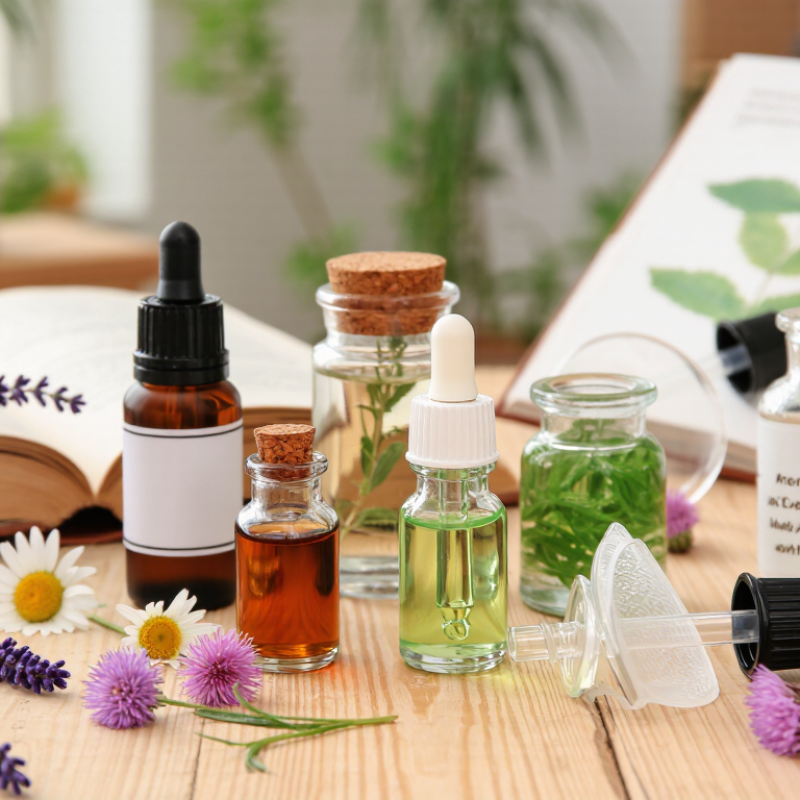
Define the goal: WHO estimated 970 million people lived with mental disorders in 2019
In 2019, the World Health Organization estimated that 970 million people worldwide were living with a mental disorder. That figure gives emotional wellbeing a serious context, but it does not mean a botanical extract is a substitute for mental health care. Nor does it mean every person needs a supplement. A clear goal matters: are you trying to support relaxation, sleep, or everyday stress management? These are different aims, and evidence varies by plant, preparation, and outcome.
Write down what you hope will change, such as taking less time to settle at bedtime or feeling calmer during a commute. Keep the measure modest. A small daily note may reveal patterns, though it cannot prove an extract caused them. That part is easy to overlook. Check the plant’s full name, extract details, and independent quality testing where available. Ask a pharmacist or clinician about interactions, especially if you use medication, are pregnant, or have a health condition. “Natural” does not automatically mean safe.
If distress is persistent or affects work, relationships, or basic routines, speak with a qualified health professional rather than relying on an extract alone. Botanical research can be uneven, and product labels may not tell the whole story. I would want clearer evidence before treating a promising result as a dependable one. The goal is informed support, not a quick fix.
Compare botanicals by human clinical evidence and measured wellbeing outcomes
Choosing a botanical extract for emotional wellbeing starts with the human evidence, not a striking label. Look for randomized trials in people, with clearly described extracts and doses. Check who took part, how long the study lasted, and whether researchers used a validated wellbeing measure. A result from a small, short trial may not apply to everyone.
Some saffron studies have reported changes in mood questionnaires, while lavender research has examined anxiety symptoms. Ashwagandha trials often measure perceived stress, sometimes alongside sleep or cortisol. These findings are promising, but study sizes and methods vary. The evidence is uneven—and that is frustrating. A number on a chart does not always reflect how someone feels during a difficult workday.
Compare the actual outcomes: mood, anxiety, sleep, daily functioning, and side effects. A change on a validated scale matters more when participants also report practical improvements, such as fewer disrupted nights. Check whether researchers tracked adverse effects and interactions with medicines. Ask a qualified health professional about personal risks, especially during pregnancy or when managing a health condition. Keep expectations modest; even careful studies leave unanswered questions.
Match extract type and standardized dose to the formulation studied
When choosing botanical extracts for emotional wellbeing, compare the product with the exact preparation used in research. The plant name alone is not enough. Check the species, plant part, extraction method, and extract ratio where available. A root extract made with water may differ from a leaf extract made with alcohol. Not interchangeable.
Standardization can show how much of a selected constituent is present, but it does not prove that every product has the same effects. Look for the amount per serving and compare it with the dose studied, including how often it was taken and for how long. Details matter. A study of one standardized extract at a set daily dose cannot automatically support a different extract or a much smaller serving. Many studies are also limited in size or duration, so the findings may not fit everyone.
I find labels can make this comparison harder than it should be. Some list a plant blend without giving each extract’s amount. If key details are missing, the match to research is uncertain. Ask a qualified health professional before use, especially when taking medicines, during pregnancy, or while managing ongoing symptoms. An extract is not a substitute for needed mental health care.
Consider supplement-use context: CRN found 75% of U.S. adults use supplements in 2024
Botanical extracts are often considered alongside sleep, food, and stress routines. CRN reported that 75% of U.S. adults used supplements in 2024. That figure describes use, not proof that every product works or suits every person. Context matters. Before choosing an extract for emotional wellbeing, consider your goal, current medicines, health conditions, and previous reactions. A clinician or pharmacist can help identify potential interactions, especially during pregnancy or when treating a health condition.
Look for the plant’s Latin name, the part used, and the extraction method. A clear label should also explain the amount per serving and any standardization. Independent testing can add useful quality information, though it cannot guarantee a personal benefit. Evidence differs by plant and preparation; “natural” does not mean risk-free. I would not judge a product by calming language alone. Keep expectations modest, and stop use if you notice concerning effects.
Tips: Write down the product, dose, and date you start. Track sleep, mood, and side effects in a simple daily note. Change only one supplement at a time, so patterns are easier to notice. If the label hides key details, pause and ask a qualified professional before buying.
2026: How to Choose Botanical Extracts for Emotional Wellbeing
Supplement use provides context—not proof that a botanical extract is effective or right for everyone.
In a 2024 U.S. survey, 75% of adults reported using supplements; the remaining 25% is calculated from that figure. When considering botanical extracts, review the evidence, product quality, safety, and possible interactions with a qualified healthcare professional.
Source: 2024 U.S. supplement-use survey. Non-user percentage calculated as 100% minus reported use.
Check interactions, safety warnings, and when to consult a healthcare professional
Botanical extracts can affect mood, sleep, and alertness, but “natural” does not mean risk-free. Before trying one, write down its full ingredient list and daily amount. Bring the bottle or a clear photo of the label to a pharmacist or clinician. That small step can reveal ingredients hidden in blends.
Interactions matter. Some extracts may change how prescription medicines are processed or increase drowsiness when combined with sleep aids, alcohol, or other calming products. St John’s wort, for example, can interfere with many medicines, including some contraceptives and antidepressants. Do not stop or adjust prescribed treatment to make room for an extract. Check first. Evidence and product strength can vary, and I would not assume two products with similar names act alike.
Ask a healthcare professional before use if you take regular medication, are pregnant or breastfeeding, have liver or kidney disease, or are preparing for surgery. Seek prompt advice for a rash, unusual bleeding, severe dizziness, worsening anxiety, or other new symptoms. If low mood is persistent, disrupts daily life, or includes thoughts of self-harm, contact a qualified professional rather than relying on supplements. Keep a simple note of what you take and any changes you notice. It is imperfect evidence, but better than guessing later.
2026 How to Choose Botanical Extracts for Emotional Wellbeing - Check interactions, safety warnings, and when to consult a healthcare professional
Use this comparison as a safety-screening aid, not as a diagnosis or a recommendation to start treatment. Evidence, extract strength, and product quality vary; an herb’s traditional use does not establish that it is effective or safe for a particular person.
| Botanical extract | Potential wellbeing use and evidence context | Important interactions | Safety warnings | When to consult a healthcare professional |
|---|---|---|---|---|
| St. John’s wort Hypericum perforatum |
Studied for depressive symptoms, but research findings do not mean it is appropriate for everyone or a substitute for evidence-based care. | Can substantially reduce the effects of many medicines by inducing drug-metabolizing enzymes and transporters. Important examples include some antidepressants, contraceptives, anticoagulants, transplant medicines, HIV medicines, and seizure medicines. Combining it with serotonergic medicines may cause serious adverse effects. | Do not combine with prescription medicines without professional review. It may cause sun sensitivity and other side effects. Stopping or starting it can alter the levels of other medicines. | Before use, while taking any prescription medicine, or before stopping it. Seek urgent care for severe agitation, fever, confusion, muscle rigidity, or a rapidly worsening mood. |
| Kava Piper methysticum |
Sometimes used for anxiety; evidence and safety vary, and it is not a risk-free alternative to standard care. | May add to the sedating effects of alcohol, sleep medicines, anxiety medicines, and other central nervous system depressants. | Has been associated with rare but serious liver injury. Avoid with liver disease and do not combine with alcohol or sedatives unless a clinician specifically advises otherwise. Avoid during pregnancy or breastfeeding. | Ask a clinician or pharmacist before use, especially if you take medicines or have liver problems. Stop and seek medical care for yellowing skin or eyes, dark urine, unusual fatigue, or persistent nausea. |
| Valerian Valeriana officinalis |
Commonly used for sleep; evidence for benefit is mixed, and it is not established as a treatment for an anxiety disorder. | May increase drowsiness when combined with alcohol, sedatives, sleep medicines, or other substances that slow the central nervous system. | Possible effects include drowsiness, dizziness, and stomach upset. Avoid driving or operating machinery if drowsy. Long-term safety is not well established. | Consult a professional if you use sedating medicines, have ongoing sleep or mood symptoms, are pregnant or breastfeeding, or plan to use it regularly. |
| Ashwagandha Withania somnifera |
Early studies have examined stress and sleep outcomes, but the evidence is limited and does not establish it as treatment for a mental health condition. | May interact with thyroid medicines, sedatives, medicines that suppress the immune system, and medicines for blood pressure or blood sugar. | Avoid during pregnancy; safety during breastfeeding is uncertain. It may affect thyroid function, and rare cases of liver injury have been reported. | Check with a clinician before use if you have thyroid, autoimmune, or liver disease, or take regular medicines. Stop and seek advice for jaundice, dark urine, or significant abdominal discomfort. |
| Chamomile Matricaria recutita or Chamaemelum nobile |
Often used as a calming tea; evidence for treating anxiety or depression is limited. Tea and concentrated extracts are not interchangeable. | Possible interaction with warfarin has been reported; interactions with other medicines are less well characterized. It may add to sedative effects. | May trigger allergic reactions, especially in people allergic to ragweed or related plants. Concentrated extracts may pose different risks from ordinary food amounts. | Ask a clinician or pharmacist if you take warfarin or other anticoagulants, have plant allergies, or intend to use a concentrated extract during pregnancy or breastfeeding. |
| Oral lavender preparations Lavandula angustifolia |
Some standardized oral preparations have been studied for anxiety symptoms; findings for one preparation cannot automatically be applied to all lavender products. | May increase drowsiness when combined with sedatives or alcohol. Interaction data for many products are limited. | Possible effects include nausea, headache, or belching. Essential oil is highly concentrated and should not be swallowed unless a product is specifically intended for oral use and used as directed. | Consult a professional if you take sedating medicines, are pregnant or breastfeeding, or have persistent or severe anxiety. Seek urgent help for an allergic reaction or breathing difficulty. |
General safety: Consult a healthcare professional or pharmacist before using a botanical extract if you take prescription or over-the-counter medicines, have a chronic condition, are pregnant or breastfeeding, or are preparing for surgery. Tell them the exact product, ingredients, dose, and frequency. Do not stop prescribed treatment or delay mental health care to try an herbal product. Seek urgent help for thoughts of self-harm, severe distress, or a serious reaction.
FAQS
A 2024 survey found that 75% of U.S. adults used supplements. It describes use, not proof that every product works.
Look for the plant’s Latin name, the plant part used, and the extraction method. Check the amount per serving and any standardization details.
Yes. Some may affect mood, sleep, or alertness, and product strength can vary. Natural does not mean risk-free.
Yes. Some extracts may change how medicines are processed or increase drowsiness with sleep aids, alcohol, or calming products. Check with a pharmacist or clinician first.
It can interfere with many medicines, including some contraceptives and antidepressants. Do not change prescribed treatment to accommodate an extract.
Ask first if you take regular medication, are pregnant or breastfeeding, have liver or kidney disease, or are preparing for surgery.
Write down the product, dose, and start date. Note sleep, mood, and side effects daily. Change only one supplement at a time. A notebook is imperfect, but better than guessing.
Get prompt advice for a rash, unusual bleeding, severe dizziness, worsening anxiety, or other new symptoms. Seek help if low mood persists or disrupts daily life.
Conclusion
Choosing Emotional Well-Being Botanical Extracts starts with defining the outcome you hope to support, such as everyday calm, mood, or sleep quality. The need for thoughtful choices is significant: the World Health Organization estimated that 970 million people were living with mental disorders in 2019. Compare botanical options based on human clinical research and the specific wellbeing measures studied, rather than relying on traditional use or broad claims alone.
The extract and dose matter, too. Look for products that match the plant part, extract type, and standardized amount used in relevant studies, while recognizing that research findings may not apply to every product or person. Supplements are common—the Council for Responsible Nutrition reported that 75% of U.S. adults used supplements in 2024—so consider how an extract fits with other supplements and medicines. Review safety information and interaction warnings, and consult a qualified healthcare professional before use if you have a health condition, take medication, are pregnant or breastfeeding, or are unsure whether an extract is appropriate for you.

Blog Tags: