Latest Botanical & Nutraceutical Insights
Discover expert research, clinical evidence, and industry analysis on active botanical ingredients and natural health solutions.
Top Saffron Extract for Sleep Improvement Products?
Table of Contents
Interest in Saffron Extract for Sleep Improvement is moving beyond traditional wellness claims. Consumers now examine crocin levels, safranal content, extraction methods, and independent testing. Product quality can vary sharply between batches. A bright red capsule proves little.
Grand View Research’s 2024 saffron market analysis identifies growing nutraceutical demand, while market reports from Mordor Intelligence highlight saffron’s expanding use in functional health products. These reports show commercial momentum, not clinical proof. That distinction matters. The strongest product should connect transparent sourcing with human research.
A randomized study led by Amir H. Lopresti, PhD, evaluated a standardized saffron extract in adults reporting sleep difficulties. The trial included 55 participants and used 14 milligrams twice daily for four weeks. Its findings suggested improved sleep quality and reduced nighttime disturbance. Lopresti and colleagues concluded, “Saffron extract may improve sleep quality in adults with self-reported sleep problems.” This evidence is promising, not flawless. The sample was small, and the study period was short.
For this reason, a responsible comparison of top sleep products should assess extract standardization, dosage clarity, contaminant testing, and label accuracy. It should also separate sleep-support claims from treatment claims. A warm bedroom, consistent bedtime, and fewer late screens still matter. Supplements are not magic. They are one possible piece.
The best Saffron Extract for Sleep Improvement product is therefore not simply the most expensive or highly marketed option. It should offer traceable ingredients, realistic expectations, and evidence that readers can verify. That standard may feel demanding. It is also necessary.
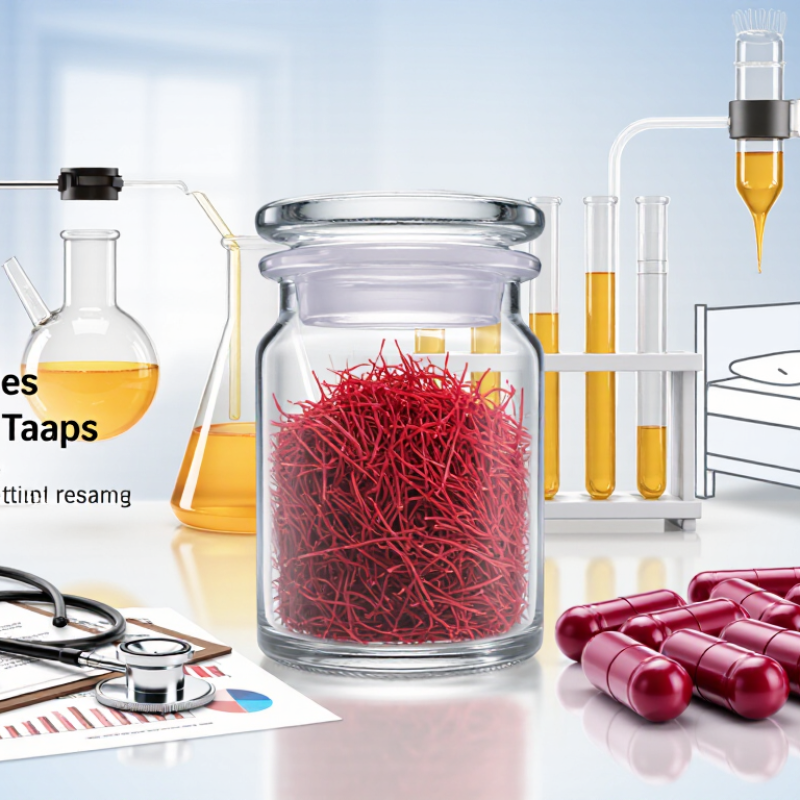
What Saffron Extract Is and Its Role in Sleep Support
Top Saffron Extract for Sleep Improvement Products?
What Saffron Extract Is and Its Role in Sleep Support
Saffron extract comes from the dried red stigmas of Crocus sativus. Its notable compounds include crocin, safranal, and picrocrocin. These compounds may influence mood, stress responses, and sleep quality. Early clinical research suggests possible benefits for falling asleep and maintaining restful sleep. However, the evidence remains limited, and saffron should not be described as a guaranteed sedative. In practice, product quality matters greatly. A reliable extract should identify its plant source, extraction method, and tested active compounds. Clear testing supports safer, more consistent formulation.
Tips: Choose products with transparent testing and stated extract specifications. Check serving guidance carefully. Avoid assuming that a higher dose works better. People using medicines, or those who are pregnant, should seek professional advice before use. Keep a simple sleep diary for two weeks. Record bedtime, awakenings, and morning alertness. Small details can reveal useful patterns.
Sleep support is rarely one-ingredient work. Evening light, caffeine timing, stress, and room temperature also matter. Saffron may fit a broader sleep routine, but it cannot replace one. Some studies report improvements, while others leave important questions unanswered. That uncertainty deserves honesty. A thoughtful formula should use quality-controlled extract and avoid exaggerated promises. Personal response can vary. Mine might, too.
How Saffron Extract May Improve Sleep Quality
Saffron extract is attracting attention in sleep-improvement products because sleep quality involves more than total hours. A 2021 randomized, double-blind, placebo-controlled trial reported better sleep quality after four weeks of standardized saffron extract use. Participants also reported fewer nighttime awakenings and improved morning alertness. The study appeared in the Journal of Clinical Sleep Medicine.
The possible mechanism is still developing. Saffron contains crocin, crocetin, and safranal, compounds studied for antioxidant and mood-related effects. Lower evening stress may help people fall asleep more comfortably. A 2023 review in Nutrients found early evidence linking saffron with improved sleep and mood, but it also noted small sample sizes and short study periods.
The evidence is promising, not settled.
Look for clear testing details. A reliable product should disclose extract standardization, dosage, purity testing, and contaminant screening. Human studies often use approximately 14 to 28 milligrams daily, though formulas differ. Individual responses may vary. Some users notice calmer evenings; others notice little change. That matters.
Sleep quality depends on light exposure, caffeine, stress, and bedtime habits too. Saffron extract should not replace professional care for persistent insomnia. The most honest product language says “may support sleep quality,” not “guarantees better sleep.” Further trials with larger groups and longer follow-up are still needed.
Key Criteria for Selecting a Saffron Sleep Product
Choosing a saffron extract for sleep improvement requires more than reading a calming claim. Look for a clearly identified extract, consistent coloring, and a stated amount of active compounds. Crocin and safranal are commonly discussed markers, but labels should explain testing methods. A certificate of analysis can confirm identity, purity, and contaminants. That evidence matters.
Tips: Check whether testing comes from an independent laboratory. Review allergen statements and manufacturing controls. Avoid products that promise instant sleep or replace professional care. A transparent label should list serving size, extraction ratio, and storage guidance. Small details reveal quality.
My practical preference is a product with human research behind its suggested use, not only laboratory findings. Sleep outcomes can vary with stress, caffeine, medication, and bedtime habits. Ask a qualified healthcare professional about possible interactions, especially when taking mood or sleep-related medicines. I would also monitor changes for several weeks, using a simple sleep diary. Results may be subtle. That is easy to overlook. A reliable product should support realistic expectations, clear documentation, and responsible use rather than dramatic promises.
Comparing Saffron Extract Forms, Strengths, and Formulations
Choosing the right saffron extract for sleep products starts with form, not label color. Whole-stigma powder may offer a broader plant profile, but its active compounds can vary between harvests. Standardized extracts provide tighter control over crocin and safranal levels. That matters.
A 2023 systematic review in Phytotherapy Research found that saffron supplementation showed promising, but still limited, improvements in sleep quality and anxiety-related outcomes. Several controlled studies used approximately 14–28 mg daily for two to four weeks. These doses should not be treated as universal recommendations. The evidence remains small and uneven. More work is needed.
Formulation changes the consumer experience. Capsules protect a measured dose and suit clinical-style positioning. Water-dispersible powders can support sachets or beverages, although bitterness and color stability need testing. Gummies improve convenience, but heat and moisture may reduce extract consistency. The 2024 Global Herbal Supplements Market Report from Grand View Research identifies quality standardization as a major growth requirement across botanical products. That finding fits saffron well.
A credible sleep formula should disclose extract ratio, marker compounds, testing methods, and serving size. Independent identity and contaminant testing add practical reassurance. Avoid promising faster sleep or guaranteed results. Sleep is complicated. Individual response varies. Some products may also combine saffron with magnesium, melatonin, or calming botanicals, creating interaction and dosing questions. Professional review remains sensible, especially for people using medicines or managing chronic conditions.
Safety, Potential Interactions, and Responsible Use
The best saffron extract for sleep is not simply the strongest one. Safety and traceability matter more than attractive dosage claims. Small randomized trials have tested roughly 14–30 mg daily for two to four weeks, with modest improvements in sleep quality (Nutrients, 2021–2024). These studies remain limited by short follow-up, small samples, and inconsistent extract specifications. The evidence is promising, but not tidy.
Check the label for botanical identity, extract standardization, batch testing, and contaminant screening. A third-party certificate should show testing for heavy metals, microbes, and adulteration. The U.S. National Center for Complementary and Integrative Health notes that supplement quality and product contents can vary. That warning deserves attention. A vivid red powder is not proof of potency.
Potential interactions require professional review. Saffron may add to the effects of sedatives, blood-pressure medicines, or anticoagulant and antiplatelet drugs, although human interaction data remain incomplete. The European Medicines Agency also emphasizes caution with herbal medicines during pregnancy and breastfeeding; concentrated extracts should not be treated like culinary seasoning. Stop use if unusual bruising, dizziness, nausea, or excessive drowsiness appears. Speak with a qualified clinician before combining saffron with sleep medication, especially when liver, kidney, bleeding, or mood conditions are present. Responsible use means starting only with a verified product, following its studied dose, and recording sleep changes rather than guessing.
Top Saffron Extract for Sleep Improvement Products
Human clinical studies have evaluated saffron extracts at approximately 14–30 mg per day. These figures describe doses used in research, not a universal recommended dose.
For responsible product development, select a well-characterized extract with clear botanical identity, extraction details, and batch testing. Saffron may cause dizziness, nausea, headache, or dry mouth and may have additive effects with anticoagulant, antiplatelet, blood-pressure, or blood-glucose medicines. Pregnancy, bleeding disorders, planned surgery, and use of multiple medicines require professional medical advice. Study doses are not interchangeable because extract standardization and active-compound content can differ.
Evidence basis: published adult saffron trials have evaluated daily doses of approximately 14 mg, 28 mg, and 30 mg. Safety and interaction evidence remains limited compared with established medicines; absence of a documented interaction does not prove absence of risk.
FAQS
It may support better sleep quality, fewer awakenings, and improved morning alertness. Evidence remains limited. The result is not guaranteed.
Small studies observed changes after two to four weeks. Some people notice calmer evenings. Others notice little change.
Crocin, crocetin, and safranal are commonly studied compounds. They may influence mood and oxidative stress. The mechanism is still developing.
Human studies commonly used about 14 to 30 milligrams daily. Formulas differ, so labels need careful reading. More is not automatically better.
Look for botanical identity, extract standardization, serving size, and purity testing. Independent laboratory results add useful evidence. Bright color alone proves little.
It should confirm identity, potency, heavy metals, microbes, and possible adulteration. Batch information is helpful. Documentation can still be imperfect.
It may add to sedatives, blood-pressure medicines, anticoagulants, or antiplatelet drugs. Interaction evidence remains incomplete. Ask a qualified clinician before combining products.
Concentrated extracts require professional guidance during pregnancy or breastfeeding. Do not treat them like ordinary culinary seasoning. Caution matters here.
Stop if unusual bruising, dizziness, nausea, or excessive drowsiness appears. Seek medical advice when symptoms persist. Do not simply guess.
No. Persistent insomnia may need professional assessment. Track bedtime, caffeine, stress, awakenings, and morning alertness in a simple diary. Results can be subtle.
Conclusion
Saffron Extract for Sleep Improvement is a botanical option being explored for people seeking more restful, consistent sleep. Derived from the saffron flower, its naturally occurring compounds may support relaxation, emotional balance, and healthy sleep patterns. Rather than acting as a strong sedative, saffron extract may help improve perceived sleep quality by addressing factors such as occasional stress, low mood, and difficulty settling at night. Its potential benefits should be considered as part of a broader sleep routine that includes regular schedules, reduced evening stimulation, and a comfortable sleep environment.
When selecting a saffron sleep product, evaluate the extract’s standardization, dosage, ingredient transparency, and formulation quality. Capsules, powders, and combination formulas may differ in strength, absorption, and convenience, so the most suitable option depends on individual needs. Responsible use is essential: follow the product directions, avoid exceeding recommended amounts, and review possible interactions with medications or other supplements with a qualified healthcare professional. Anyone who is pregnant, managing a health condition, or experiencing persistent sleep problems should seek professional guidance before use.

Blog Tags: